 English
 Spanish
 French
 German
 Italian
 Chinese (Simplified)
 Japanese
 Korean
 Arabic
 Portuguese
Do you need help? Here Us:
 0804581682308045816823
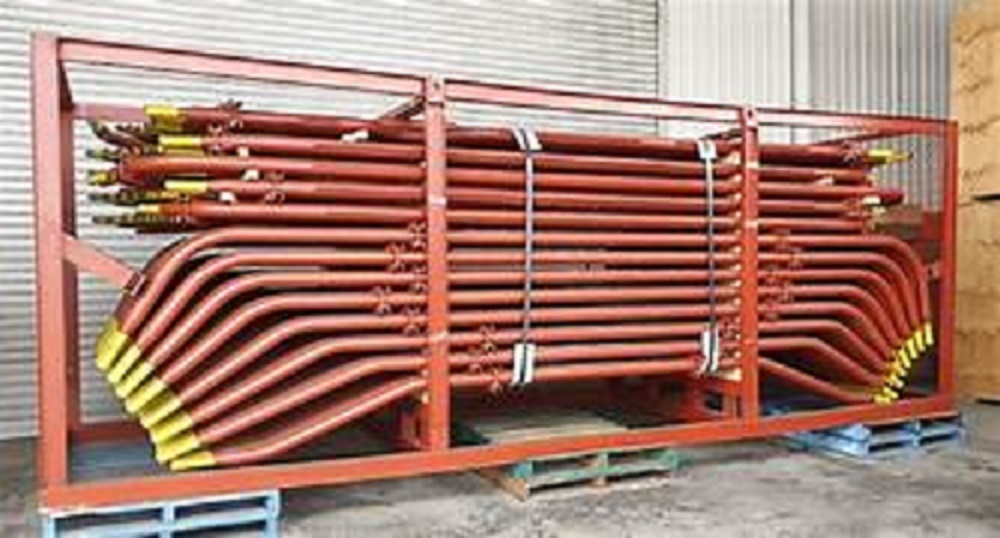
Boiler Bed Coils are crucial components used in fluidized bed combustion (FBC) boilers, especially in atmospheric fluidized bed combustion (AFBC) and circulating fluidized bed combustion (CFBC) systems. Heres a breakdown of what they are, how they work, and their key features
Boiler bed coils are tubular heat exchangers located in the combustion bed of a fluidized bed boiler. These coils are submerged in the fluidized bed material, where intense heat transfer occurs due to the fluidized state of the fuel and bed material (typically sand or ash).
Heat Transfer:
Bed coils absorb radiant and convective heat directly from the fluidized bed, preheating water or generating steam.
Steam Generation:
Often used for evaporating water into steam in the lower temperature zones of the boiler, especially in low-pressure boilers.
Efficiency Improvement:
They enhance boiler thermal efficiency by utilizing the high heat exchange capacity of the fluidized bed.
Material:
Typically made of carbon steel or alloy steel, depending on the operating temperature and pressure.
Shape and Layout:
U-shaped or serpentine coils, tightly spaced to maximize surface area in the fluidized zone.
Mounting:
Installed horizontally or vertically inside the combustion chamber.
Temperature: 800C to 900C
Pressure: Varies depending on boiler design (can be 10 100+ bar)
Thermal power plants
Captive power plants in industries
Biomass and waste-to-energy boilers
Industrial heating systems
| Parameter | Details |
|---|---|
| Function | Heat transfer / Steam generation |
| Boiler Type | FBC (AFBC/CFBC) |
| Material | Carbon steel, Alloy steel |
| Risks | Erosion, scaling |
| Location | Inside fluidized bed |
| Orientation | Horizontal or vertical |
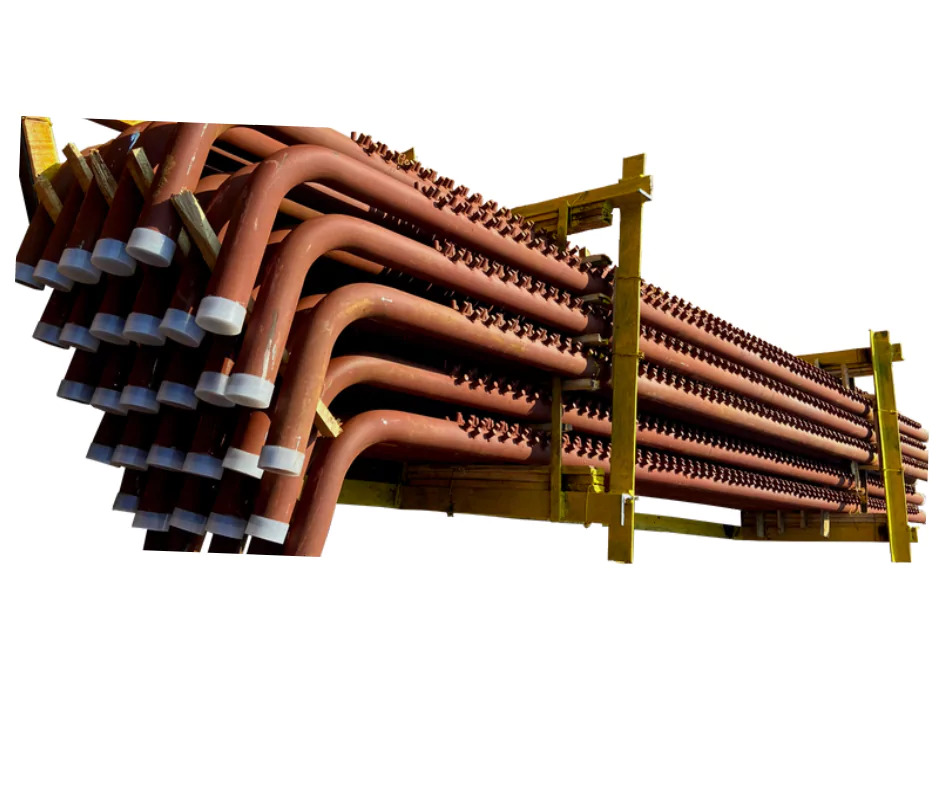

Price:
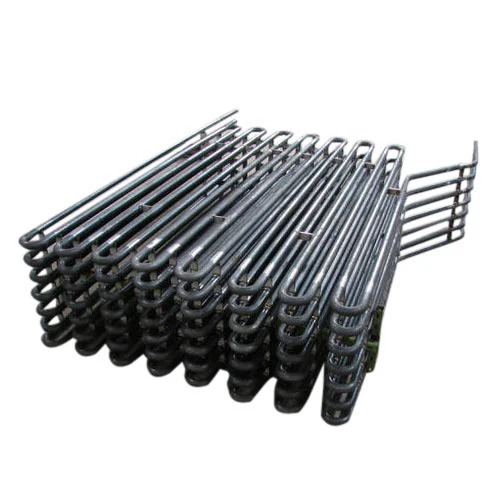
Price 100000 INR / Unit
Minimum Order Quantity : 1 Unit
Type : Other, Finned / Plain / Radiant Super Heater Coils
Grade : Industrial Grade
Usage : Heat Transfer / Thermal Power Plants / Boilers
Storage : Other, Dry, Covered Area; Protect from Corrosion
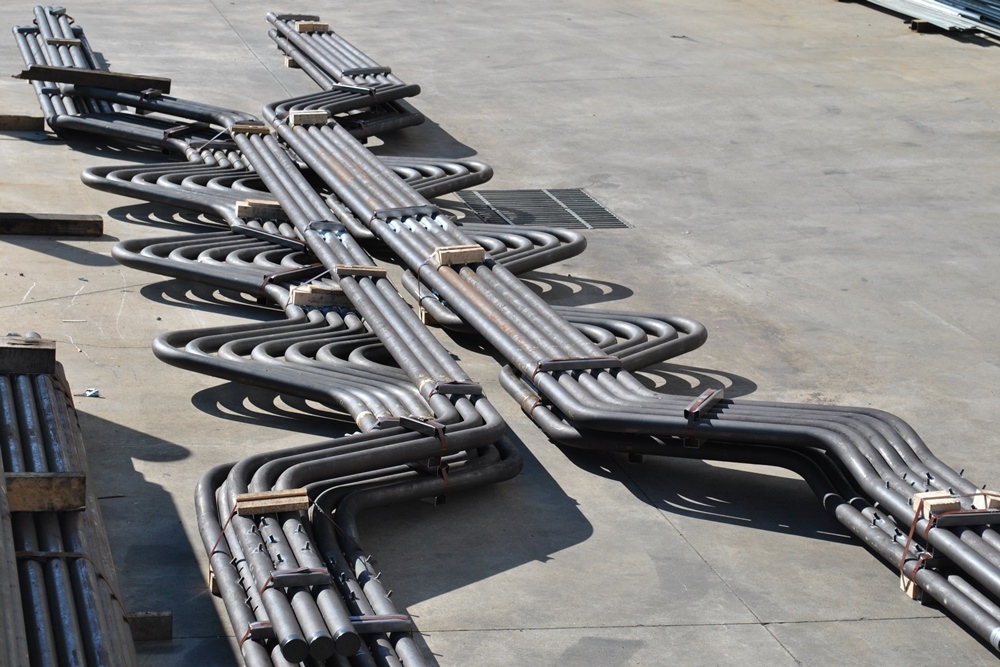
Price 100000 INR / Unit
Minimum Order Quantity : 10 Units
Type : Other, Boiler Tube Bend
Grade : Other, Industrial, Boiler grade
Usage : For bending tubes in boilers, heat exchangers, and piping systems
Storage : Other, Store in dry, covered conditions to avoid corrosion
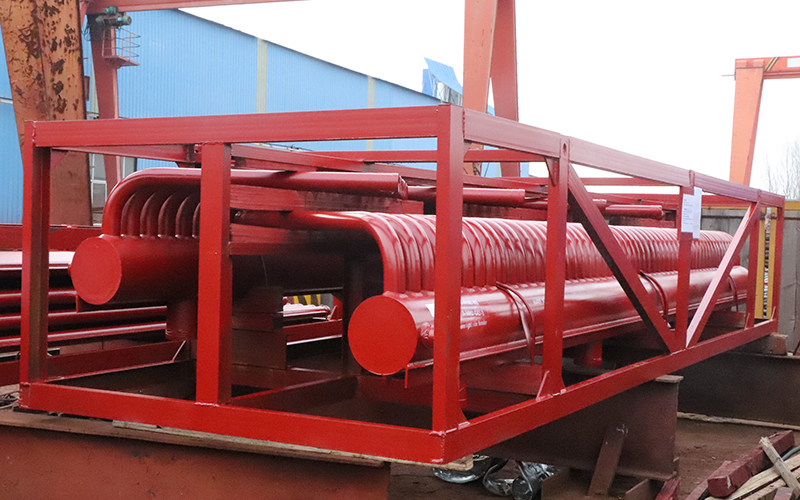
Price 100000 INR / Unit
Minimum Order Quantity : 1 Unit
Type : Other, Boiler Header
Grade : Industrial Grade
Usage : Steam and water circulation in boilers
Storage : Other, Store in dry, indoor environment to prevent corrosion
Price 100000 INR / Unit
Minimum Order Quantity : 1 Unit
Type : Other, Boiler Bank Tubes
Grade : Other, Seamless / ERW, Various Grades (e.g., SA 210 Gr A1, SA 213, SA 178)
Usage : Heat exchange tubes in watertube boilers and steam boilers
Storage : Other, Store in dry, covered area away from moisture



 |
SHREE NARAYAN ENTERPRISE
All Rights Reserved.(Terms of Use) Developed and Managed by Infocom Network Private Limited. |



 Send Inquiry

 Send Inquiry
 Send Inquiry
 Send SMS
 Call Me Free