 English
 Spanish
 French
 German
 Italian
 Chinese (Simplified)
 Japanese
 Korean
 Arabic
 Portuguese
Do you need help? Here Us:
 0804581682308045816823
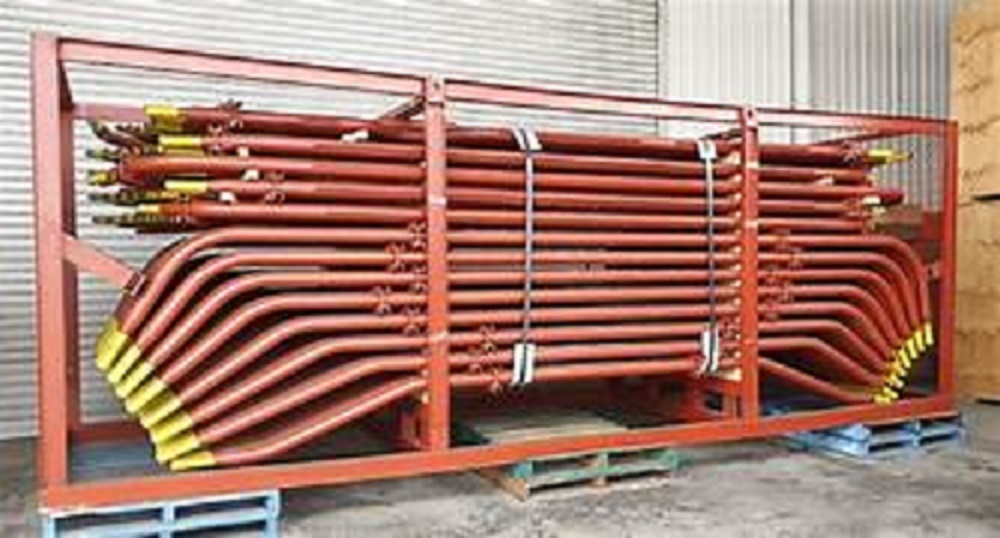
Boiler bank tubes, also known as generating bank tubes, are a central part of the steam generation system in water-tube boilers. They connect the steam drum and the mud drum and play a vital role in producing saturated steam by transferring heat from flue gases to the circulating water inside the tubes.
Boiler bank tubes are straight or slightly curved water tubes arranged in parallel rows (banks) between the upper steam drum and the lower mud drum. They're exposed primarily to convection heat from the flue gases, and their main purpose is to:
Generate saturated steam
Complete the water/steam circulation loop
Improve boiler efficiency
Position: Located between the furnace and economizer, in the convective pass of the boiler.
Orientation: Generally vertical, but some boilers may use slightly inclined tubes for circulation efficiency.
Tube Banks: Often arranged in multiple rows (front and rear) to increase heat transfer surface.
Tube Material: Usually carbon steel (e.g., SA-210 Gr A1, SA-192) or low alloy steel
Tube OD: Common sizes include 38 mm (1.5"), 50.8 mm (2"), 63.5 mm (2.5")
Wall Thickness: Varies depending on pressure rating, usually 2.5 mm 4.5 mm
Length: Custom to boiler height
Connection: Expanded or welded into steam and mud drums
Feedwater enters the mud drum.
Water rises through boiler bank tubes, absorbing heat from the flue gases.
As water heats up, steam starts forming inside the tubes.
The steam-water mixture reaches the steam drum, where steam separates from water.
Steam continues to superheater, while water recirculates back.
Provides major surface area for heat exchange.
Operates in subcooled boiling region, meaning water partially turns to steam.
Acts as a thermal buffer between high-radiant heat areas (furnace) and lower-temp components (economizer).
Soot blowing to clean external tube surfaces
Descaling or chemical cleaning of internal deposits
Ultrasonic testing for wall thickness
Hydro testing for pressure integrity
Visual inspection through drum manholes
| Tube Type | Heat Source | Fluid | Main Function |
|---|---|---|---|
| Boiler bank tubes | Convection | Water/steam mix | Steam generation |
| Water wall tubes | Radiation | Water | Furnace heat absorption |
| Economizer tubes | Convection | Feedwater | Preheating |
| Superheater tubes | Convection + Radiation | Steam | Superheating |
Manufactured to ASME or EN standards
Test certificates for material chemistry, tensile, and hydro tests
Proper tube pitch and alignment are critical for performance and flow distribution

Price:
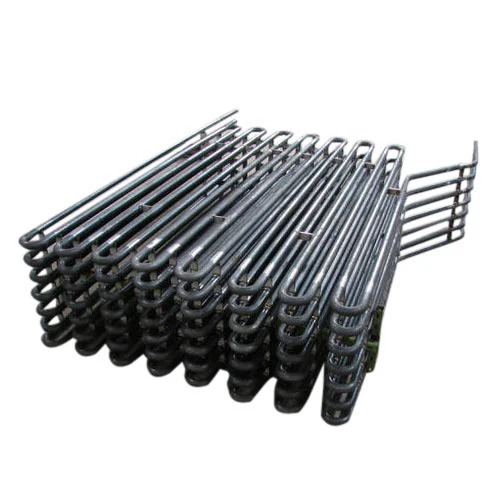
Price 100000 INR / Unit
Minimum Order Quantity : 1 Unit
Color : Other, Metallic Grey/Silver
Appearance : Tube/Coil Form
Physical Form : Other, Solid (Metallic)
Type : Other, Finned / Plain / Radiant Super Heater Coils
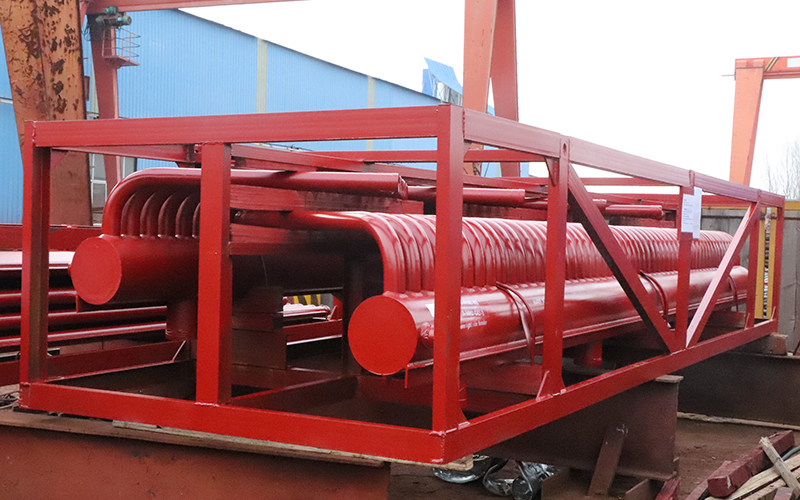
Price 100000 INR / Unit
Minimum Order Quantity : 1 Unit
Color : Other, Metallic Grey / Black Painted / As per requirement
Appearance : Cylindrical, Welded or Seamless Pipe
Physical Form : Other, Solid (Metallic)
Type : Other, Boiler Header
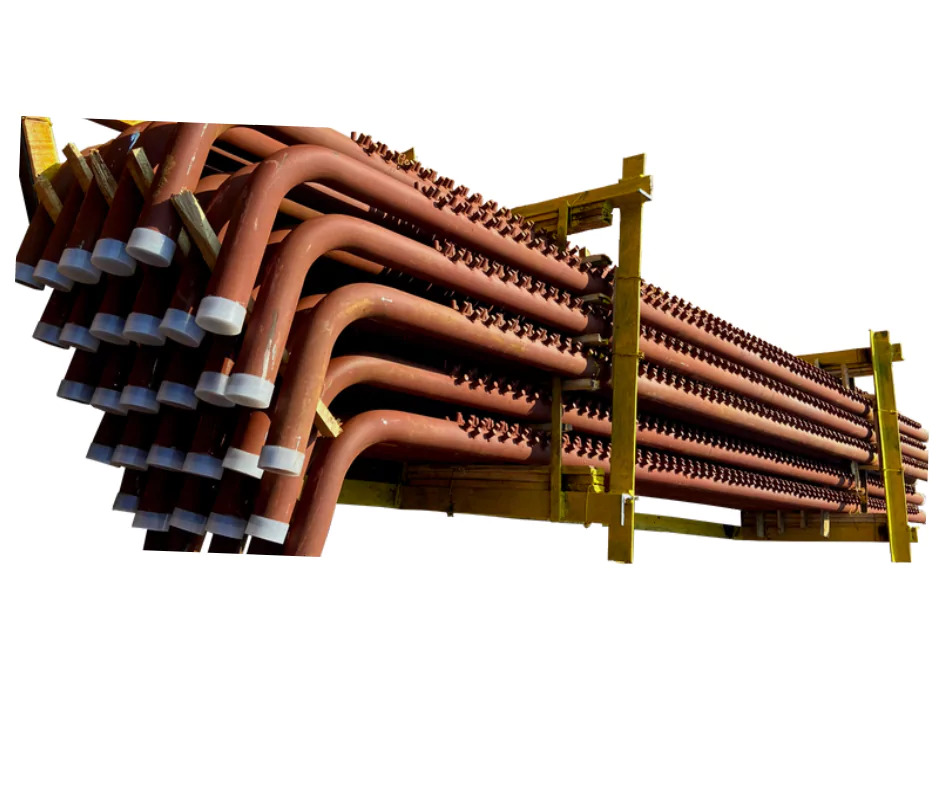
Price 100000 INR / Unit
Minimum Order Quantity : 1 Unit
Color : Other, Metallic Grey/Black
Appearance : Tube Coils
Physical Form : Other, Solid (Pipe/Coil)
Type : Other, With or Without Stud
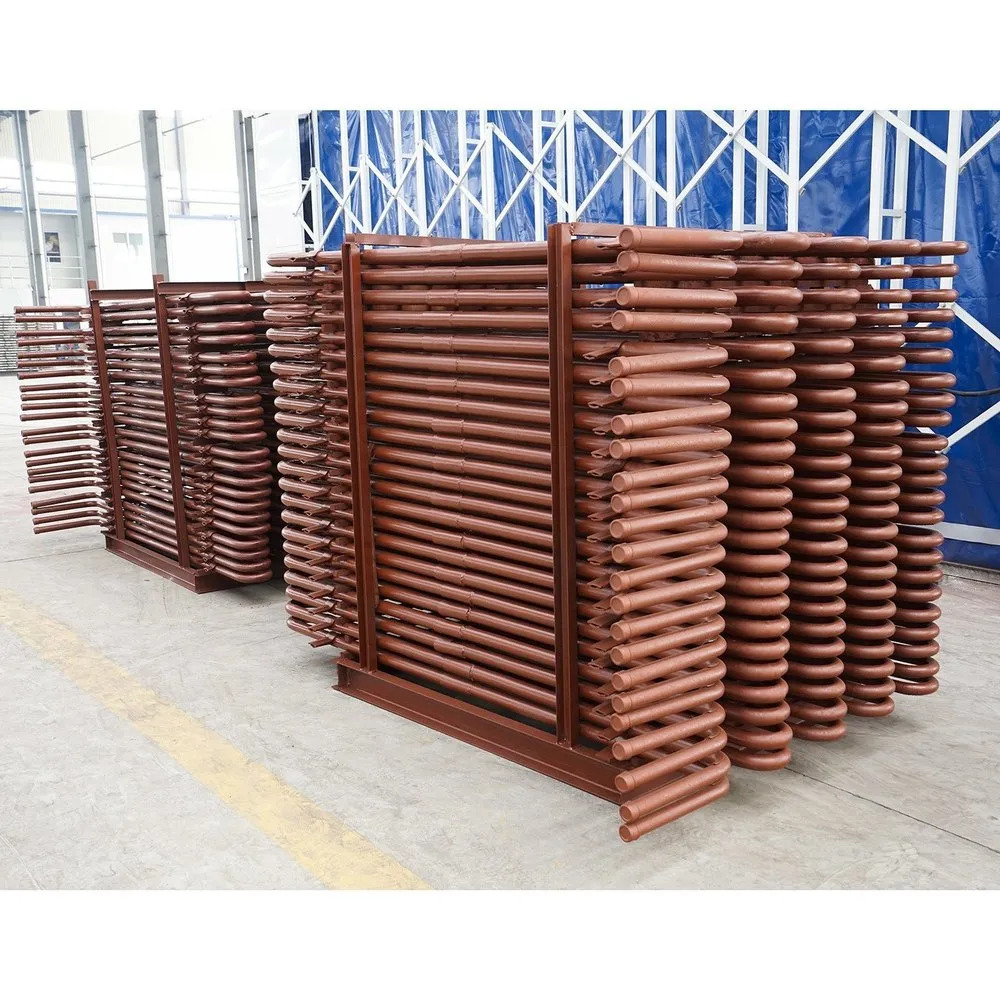
Price 100000 INR / Unit
Minimum Order Quantity : 1 Unit
Color : Other, Metallic / Silver / Grey
Appearance : Tube Bundle Assembly
Physical Form : Solid
Type : Other, Heat Exchanger Coil



 |
SHREE NARAYAN ENTERPRISE
All Rights Reserved.(Terms of Use) Developed and Managed by Infocom Network Private Limited. |



 Send Inquiry

 Send Inquiry
 Send Inquiry
 Send SMS
 Call Me Free