 English
 Spanish
 French
 German
 Italian
 Chinese (Simplified)
 Japanese
 Korean
 Arabic
 Portuguese
Do you need help? Here Us:
 0804581682308045816823
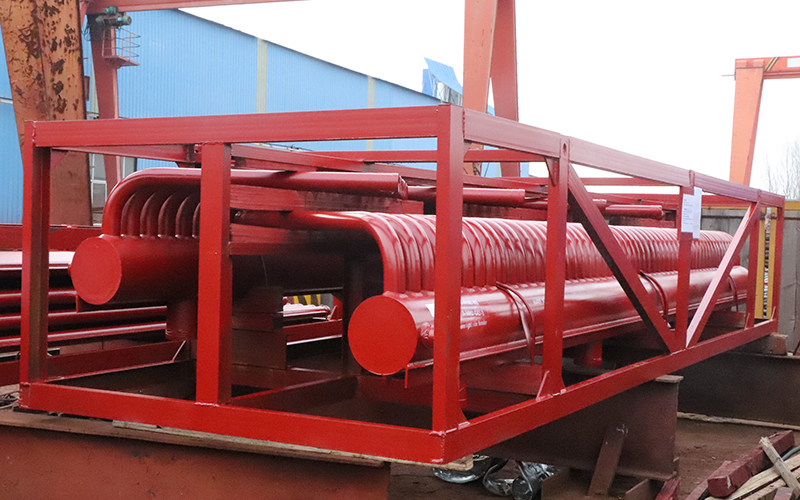
Boiler headers (also called manifolds) are thick-walled pressure vessels used to collect or distribute steam, water, or flue gases within a boiler system. They serve as central nodes in high-pressure piping systems and play a critical role in ensuring balanced flow and thermal efficiency.
A boiler header is a large cylindrical pipe (horizontal or vertical) that connects multiple smaller tubes or coils (e.g., economizer, water wall, superheater, or reheater coils). Headers manage the flow of fluid (steam or water) between different sections of the boiler.
| Type | Function | Connected To |
|---|---|---|
| Steam Header | Collects or distributes steam | Superheater, turbines, process lines |
| Water Header | Distributes water to or collects from water wall tubes | Mud drum, downcomers |
| Economizer Header | Handles feedwater in/out of economizer coils | Feedwater lines |
| Superheater Header | Distributes saturated steam to superheater coils or collects superheated steam | Superheater tubes |
| Reheater Header | Involved in reheating steam | High- and low-pressure turbine circuits |
Flow distribution or collection
Pressure equalization
Temperature regulation
Facilitating inspection, control, and maintenance
Preventing thermal shocks and flow imbalances
Material: High-grade alloy or carbon steel (e.g., SA-106 Gr B, SA-335 P11/P22, etc.)
Design Pressure & Temp: Must meet ASME Section I or equivalent codes
Ends: Typically flanged or beveled for welding
Orientation: Horizontal (most common) or vertical
Water Wall Headers: At the top and bottom of the boiler furnace
Superheater Headers: Before and after superheater coils
Economizer Headers: At inlet and outlet of economizer banks
Main Steam Header: Final outlet from the boiler to the plant/turbine
Non-destructive testing (NDT): Ultrasonic, radiographic, magnetic particle
Visual inspection of welds and joints
Hydrostatic pressure testing
Cleaning and descaling
Number and angle of tube stubs
Internal baffles or flow restrictors
Drain & vent provisions
Thermal expansion allowances
Material strength at high pressure/temperature

Price:
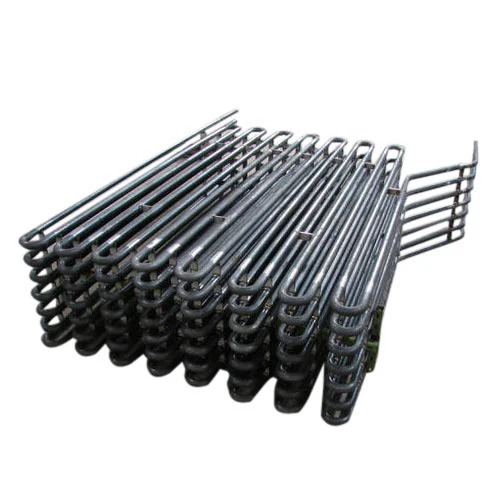
Price 100000 INR / Unit
Minimum Order Quantity : 1 Unit
Physical Form : Other, Solid (Metallic)
Type : Other, Finned / Plain / Radiant Super Heater Coils
Storage : Other, Dry, Covered Area; Protect from Corrosion
HS Code : 84029090
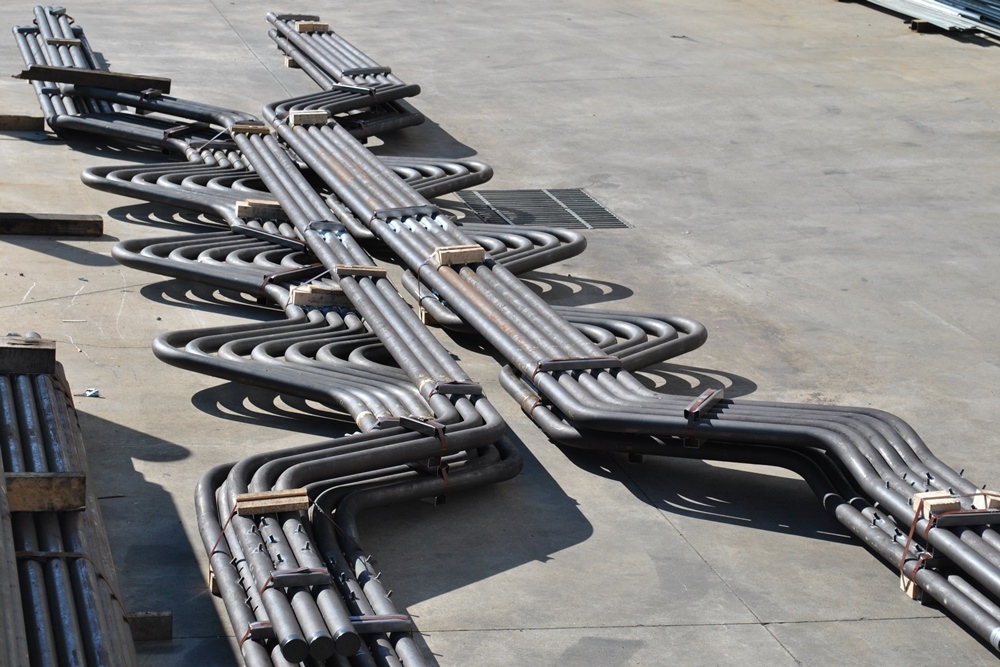
Price 100000 INR / Unit
Minimum Order Quantity : 10 Units
Physical Form : Other, Solid, bend/arc tube
Type : Other, Boiler Tube Bend
Storage : Other, Store in dry, covered conditions to avoid corrosion
HS Code : 73042900
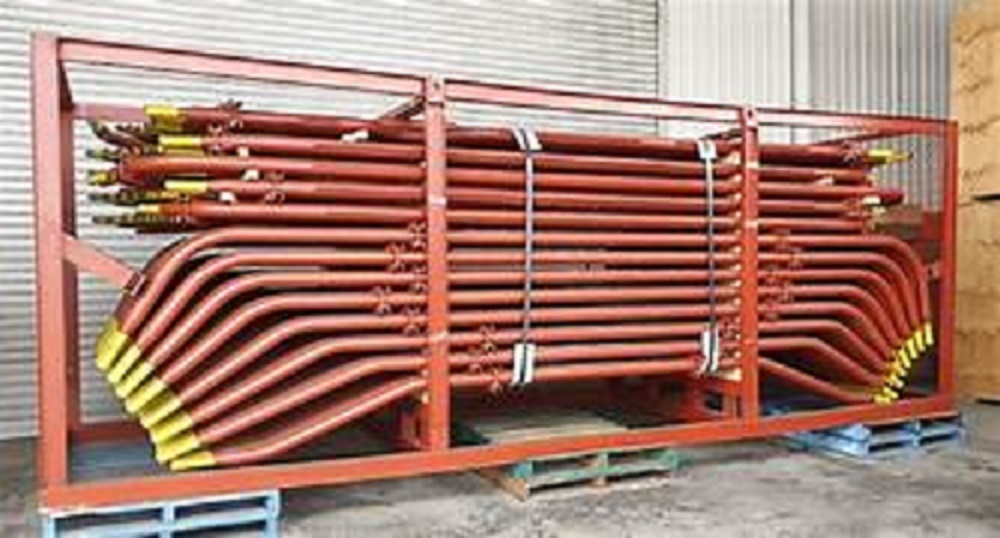
Price 100000 INR / Unit
Minimum Order Quantity : 1 Unit
Physical Form : Other, Solid (Metal Tubes)
Type : Other, Boiler Bank Tubes
Storage : Other, Store in dry, covered area away from moisture
HS Code : 7304
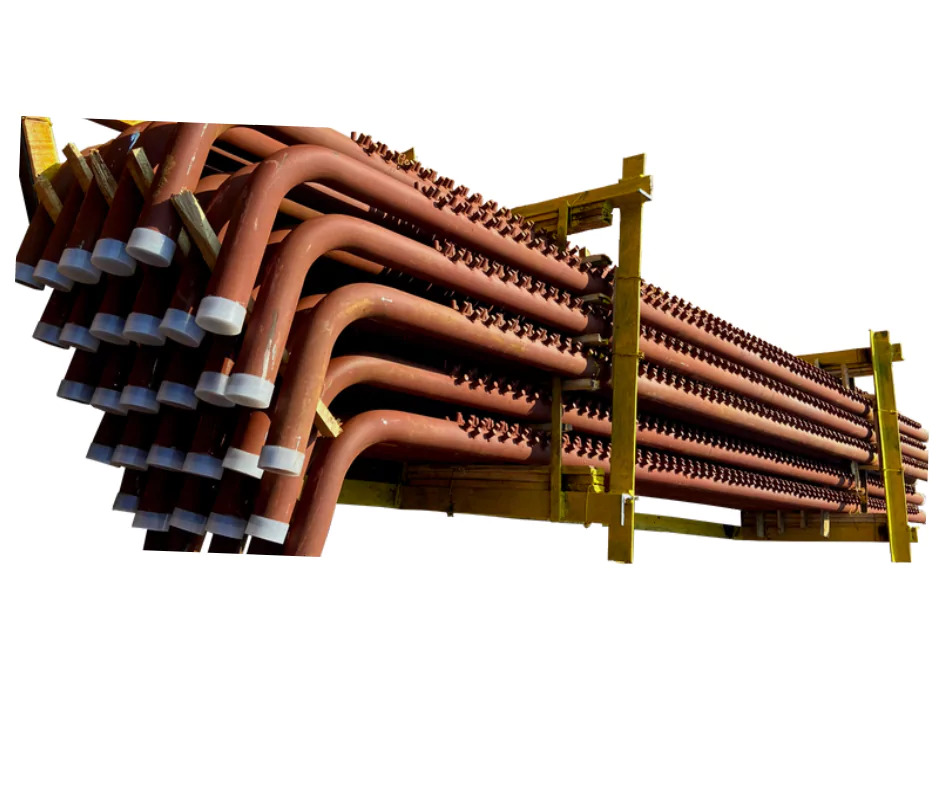
Price 100000 INR / Unit
Minimum Order Quantity : 1 Unit
Physical Form : Other, Solid (Pipe/Coil)
Type : Other, With or Without Stud
Storage : Other, Dry Storage, Covered Area
HS Code : 84029020



 |
SHREE NARAYAN ENTERPRISE
All Rights Reserved.(Terms of Use) Developed and Managed by Infocom Network Private Limited. |



 Send Inquiry

 Send Inquiry
 Send Inquiry
 Send SMS
 Call Me Free