 English
 Spanish
 French
 German
 Italian
 Chinese (Simplified)
 Japanese
 Korean
 Arabic
 Portuguese
Do you need help? Here Us:
 0804581682308045816823
Boiler water wall panels are vertical arrays of tubes placed along the inside walls of a boiler furnace to absorb radiant heat from the combustion process. They form a heat-absorbing enclosure around the furnace and are a critical part of modern water-tube boilers.
Water wall panels consist of closely spaced boiler tubes that carry water or steam-water mixture, welded together with fins or membrane strips to form solid, gas-tight panels. They are exposed to direct radiation from the flame and act as:
Structural enclosure of the furnace
Primary heat absorbing surface
Pathway for water circulation to generate steam
| Component | Description |
|---|---|
| Tubes | Usually carbon steel or low-alloy steel; vertical; 1.5 to 2.5" OD |
| Fins/Membranes | Welded between tubes for strength, support, and to create a gas-tight seal |
| Panel Size | Custom to boiler design; pre-fabricated for easy site assembly |
| Spacing | Close tube pitch (center-to-center distance), often 3 to 4 inches |
Tube Material:
SA-210 Gr A1 (carbon steel)
SA-213 T11, T22 (for higher temperature zones)
Stainless steel (in corrosive or high-temp zones)
Filler Strip (Membrane/Fins): Same or compatible alloy as tubes
| Type | Description |
|---|---|
| Bare Tube Walls | Tubes without any fins or membranes; used in older designs |
| Membrane Walls | Tubes welded together with metal strips to form leak-proof walls |
| Studded Walls | Tubes with studs for refractory attachment; used in fluidized bed or waste boilers |
Absorb Radiant Heat Account for 30 to40% of total heat transfer in the boiler
Steam Generation Water inside the tubes begins to boil and form a steam-water mixture
Protect Furnace Walls Prevent damage from extreme heat
Improve Efficiency By converting radiant heat directly into steam
Natural or assisted by circulating pumps
Water from the mud drum rises through water wall tubes to the steam drum
Steam is separated and sent to superheater; water recirculates
Visual inspection during shutdowns
Non-destructive testing (NDT): UT, MT, RT
Hydrostatic pressure tests
Soot blowing (external cleaning)
Chemical cleaning (internal)
Boiler pressure & temp
Fuel type (coal, biomass, gas)
Heat flux zones (roof tubes require special attention)
Circulation type (natural vs forced)
Gas-tight (no need for refractory in furnace walls)
Faster heat absorption
Lower maintenance (no refractory damage)
Pre-fabricated panels reduce field installation time
Improved boiler reliability and efficiency
| Parameter | Range |
|---|---|
| Tube OD | 38 to 63.5 mm (1.5 to 2.5) |
| Wall Thickness | 3 to 6 mm |
| Tube Pitch | 75 to 100 mm center-to-center |
| Panel Height | Up to 20 meters or more |
| Material Grades | SA-210, SA-213, TP304, etc. |
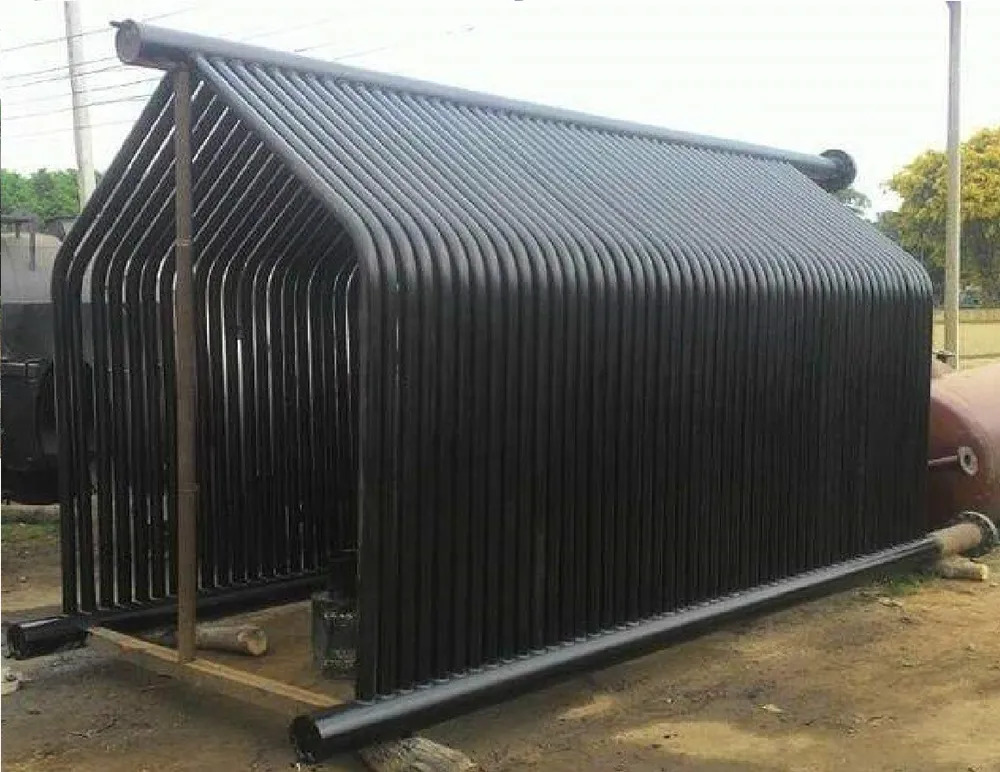

Price:
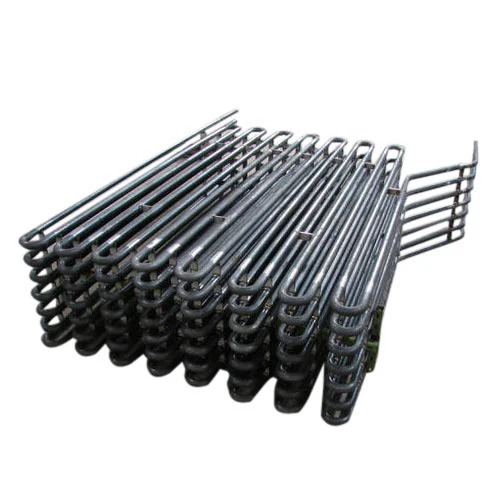
Price 100000 INR / Unit
Minimum Order Quantity : 1 Unit
Physical Form : Other, Solid (Metallic)
Smell : Other, Odorless
Poisonous : Other, Nontoxic
HS Code : 84029090
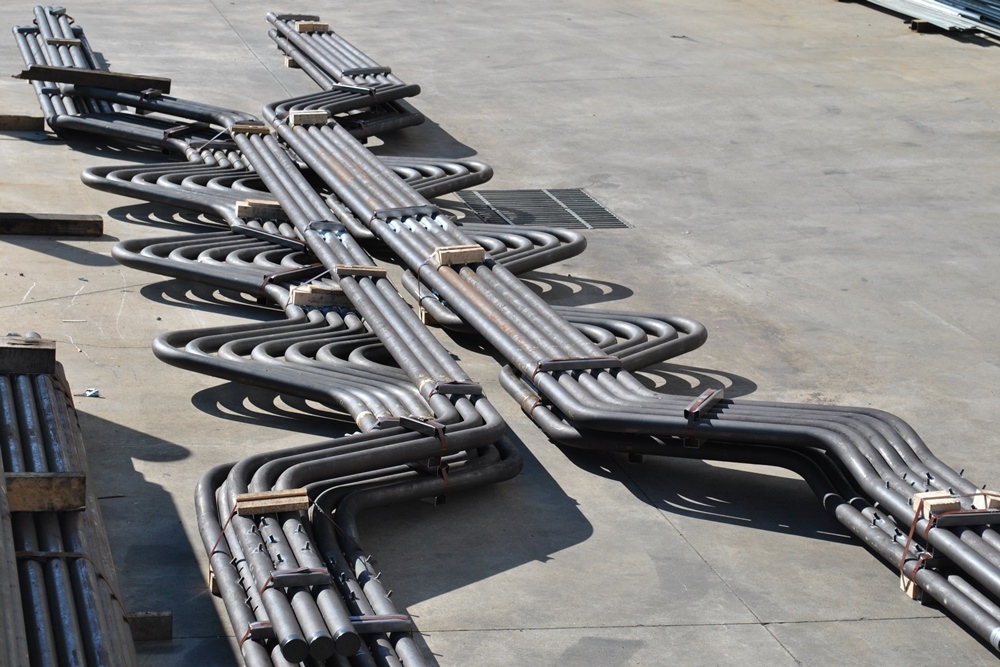
Price 100000 INR / Unit
Minimum Order Quantity : 10 Units
Physical Form : Other, Solid, bend/arc tube
Smell : Other, Odorless
Poisonous : NO
HS Code : 73042900
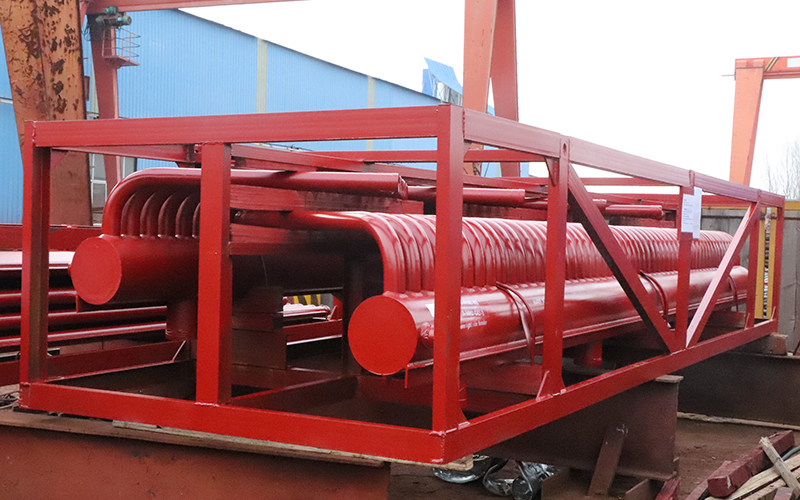
Price 100000 INR / Unit
Minimum Order Quantity : 1 Unit
Physical Form : Other, Solid (Metallic)
Smell : Other, Odorless
Poisonous : NO
HS Code : 8402
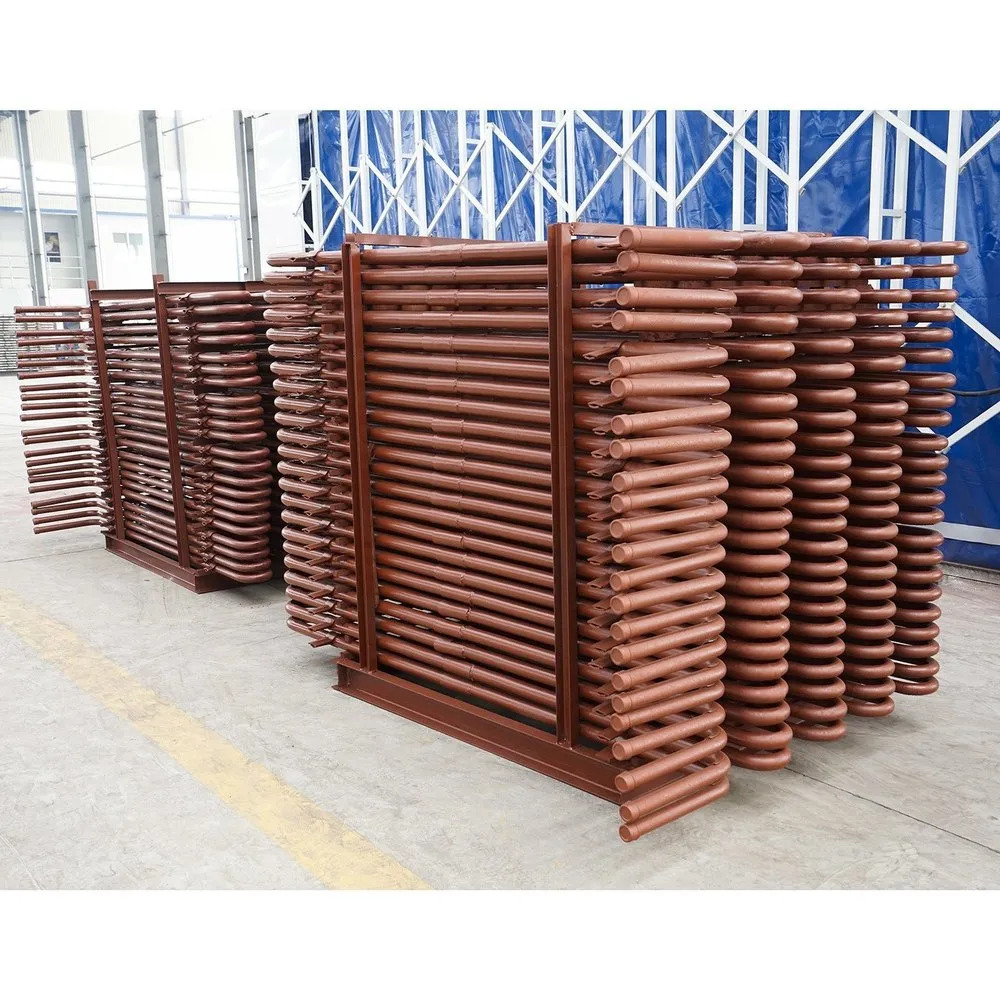
Price 100000 INR / Unit
Minimum Order Quantity : 1 Unit
Physical Form : Solid
Smell : Other, Odorless / Metallic
Poisonous : NO
HS Code : 84029020



 |
SHREE NARAYAN ENTERPRISE
All Rights Reserved.(Terms of Use) Developed and Managed by Infocom Network Private Limited. |



 Send Inquiry

 Send Inquiry
 Send Inquiry
 Send SMS
 Call Me Free